
Page 17 - Blog
-
Posted: May 29, 2023Read more »
Source: ShowMeCables
Regarding electrical cables, temperature resistance is a key factor that can make or break their performance. Aerospace, manufacturing, and automotive engineering industries all require cables capable of withstanding high temperatures without compromising integrity. To meet this requirement, 600V high-temperature cables are the answer.
These advanced wires are designed to endure temperatures from 150-500°C and boast specialized materials. Today, we'll cover every detail you need to know about 600V high-temperature cables – from properties and applications to benefits, types, and how to select the correct one for your project.
600V High-Temperature Cable Properties
The 600V high-temperature cables are insulated and jacketed wires designed to resist fire, heat, abrasion, moisture, aging, and chemical resistance. The insulation material can range from polyvinyl chloride (PVC) to MICA-Transparent Silicate Insulation. Meanwhile, the jacket is made of a glass braid or K-Fiber
-
Posted: May 23, 2023Read more »
Source: ShowMeCables
From small electronics to heavy-duty machinery, power electrical connectors are vital in keeping our devices running smoothly. Knowing which connector is ideal for you can be complex, with many types and classifications available.
This article will explore power electrical connectors, examining their various types and applications. We'll also discuss the factors you should consider before making a purchase.
What Are Power Electrical Connectors?
Power electrical connectors permit a secure connection between two or more mechanisms.
They are usually used to transfer power from one device to another but can also be used for other purposes, such as data transmission. Power connectors come in many forms, including plugs and sockets, plug-in modules, and terminal blocks.
Electrical connectors are found in small consumer electronics such as cell phones and laptops and larger industrial machinery like construction equipment and aerospace systems. Regardless of the application,
-
Posted: May 16, 2023Read more »
Source: ShowMeCables
When powering up your electronic devices, the type of power cord you use might seem like a minor detail. However, choosing the correct power cord can significantly affect space, safety, and overall performance. Enter the world of right/left angle AC power cords – a game-changer for those looking for flexible and efficient solutions to power their equipment.
In this article, we'll dive into the benefits of using angled power cords, the common types available, and what you should consider when choosing one for your equipment.
What Are Right/Left Angle AC Power Cords?
Right/left angle AC cables are power cords that feature a bend or angle at the plug end of the cable. This angle is typically 90 degrees, although others may also be available.
The angle can be either a right-angle or left-angle connection, depending on the orientation of your device's power port and other factors like ease of access and cable management.
Check out the ShowMeCables’ NEMA 5-15P to C13 Right
-
Posted: May 09, 2023Read more »
Reliable networking is a must for the majority of industrial processes. Unfortunately, harsh environments can make maintaining stable and secure connections difficult. That's where M12 Ethernet cables come in – offering a robust, efficient solution for industrial networking even in extreme conditions.
In this article, we'll explain what M12 Ethernet cables are and their top benefits before outlining how to choose the right one for your application.
What are M12 Ethernet Cables?
M12 Ethernet cables are specialized data transmission cables developed to provide a secure and reliable connection in harsh environments. They use advanced materials, such as stainless steel or polyamide sheathing, to protect the cable from extreme temperatures, mechanical stressors like vibration or pressure, and corrosive liquids.
ShowMeCables’ premium TRG501-T4T-15M is an L-com D-coded Cat5e industrial cable, available up to 15 meters in length. The cable is suitable for PowerOverEthernet (PoE) connectivity and
-
Posted: May 02, 2023Read more »
We have all known the frustration of being in a room that does not have enough electrical outlets. You have to either find a long extension cord to run outside the room or hunt down a power strip or an adapter plug that splits one receptacle in the outlet to two or more.
The problem is, plugging multiple devices into one outlet using a splitter adapter you bought at a hardware store might overload the outlet. You might trip a circuit breaker, damage your electrical equipment, or even cause a fire. Overloaded circuits and outlets cause more than 5,000 fires annually, says the Consumer Product Safety Commission.
Power Splitter Cords to the Rescue
A smarter alternative – certainly cheaper than installing more outlets − is to buy some power splitter cords. A power splitter has one male end for plugging into an outlet and enough female ends to power either two or three components. They allow you to fully utilize rooms that don’t have enough outlets, as well as declutter rooms that already have
-
Posted: April 25, 2023Read more »
The popularity of Power over Ethernet (PoE) is growing. Since it was introduced in 2003 as a way to both transmit data and deliver power on a computer network, the PoE market has reached $2 billion. It is expected to hit $3.2 billion by 2030, according to market analysis firm Market Research Future.
Two key devices on a PoE network are splitters and injectors. A PoE splitter allows a PoE-enabled Ethernet cable to be split into separate power and data cables. A PoE injector injects electricity onto an Ethernet cable to supply power to PoE-enabled devices.
This blog post explains what splitters and injectors can do for your PoE deployment. It also covers some terms you will encounter while shopping for splitters and injectors − such as the difference between “mid-span” and “end-span” devices, and the significance of a few key standards that regulate the design of these products.
But first, in case you are new to the world of Power over Ethernet, let’s start with a summary of what it can
-
Posted: April 19, 2023Read more »
Think about the types of cables you use to connect your electronic devices. How many of those cable formats were being used 20, 30 or 40 years ago?
If you come up empty here, let us jog your memory and call attention to the humble but still-relevant composite audio/video RCA cable. These cables with their familiar red, white and yellow connectors continue to provide dependable, cost-effective connections for audio and video devices.
RCA audio and video cables are not quite as popular as they used to be. In many cases they have been edged out by non-RCA formats, such as HDMI cables. However, RCA remains alive and well. This blog post examines six reasons why they still make sense for many consumers. But first, a little background …
Key Takeaways
- RCA cables are widely used for compatible audio, video, and other electronic connections.
- Red and white RCA connectors commonly carry the right and left channels of stereo audio.
- A yellow RCA connector is commonly used for composite video.
- Composite
-
Posted: April 19, 2023Read more »
RJ45 Color Codes Explained
An RJ45 connector is a modular, eight-position, eight-pin connector used for terminating Cat5e or Cat6 twisted-pair cable. An RJ45 color code or “pinout” is a specific arrangement of wires that dictate how the connector is terminated. Since the color code specifies the order in which the individual wires within the cable should be connected to the pins on the RJ45 connector, knowing the color code is essential when you need to make or repair Ethernet cables.
There are multiple pinouts for RJ45 connectors, including:
- Straight-through (T568A or T568B)
- Crossover
- Rolled
- T1
- Loopback
Straight-through is the most common type of cable and is used for connecting your computer to your network. The other RJ45 color codes are for specialty cables that are used for unique network applications.
Within the family of straight-through R45 color codes, there are two standards recognized by ANSI, TIA, and EIA:
- The T568B wiring standard is seen as the default wiring scheme for twisted-pair
-
Posted: April 11, 2023
 Read more »
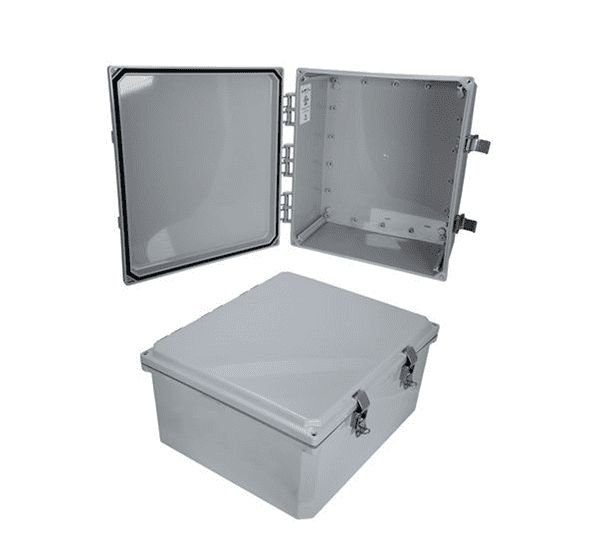
Rain, snow, wind, and extreme temperatures can wreak havoc on your networking and electrical equipment, causing costly downtime and repair bills. That's where weatherproof NEMA enclosures come in. These sturdy, protective boxes shield your equipment from external hazards, ensuring that your network stays up and running, no matter the weather.
So, how do these NEMA enclosures work, and what are their benefits? Today, we'll discuss the role of weatherproof enclosures in protecting your network infrastructure from environmental hazards.
Understanding Weatherproof NEMA Enclosures
NEMA enclosures are specially designed protective boxes that house networking and electrical equipment, protecting it from exposure to the elements. They are made of durable materials, such as metal, plastic, or fiberglass, that can withstand harsh weather conditions, including rain, snow, wind, and extreme temperatures.
Weatherproof enclosures come in various sizes and styles, such as NEMA or IP-rated boxes. For instance,
-
Posted: April 04, 2023
 Read more »
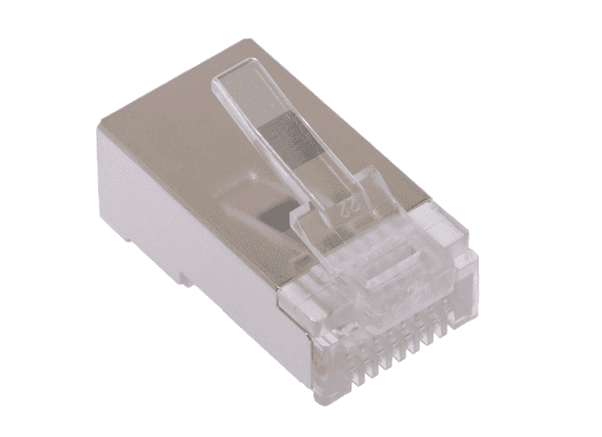
The RJ45 connector is a small but powerful device at the core of Ethernet networking, which has become an essential part of our lives – from streaming movies to video conferencing. It's what enables us to access the digital world.
This article will explore this vital component and unravel the mystery behind its role in Ethernet networking. Whether you're a tech enthusiast or a curious beginner, read on to discover how it keeps us connected and how to find the right RJ45 connector for your needs.
What are RJ45 Connectors?
RJ45 connectors are small, modular plugs used to interconnect devices in Ethernet networks. The name is derived from the 8P8C design of these connectors, which has become a standard for connecting computers and other peripherals such as routers and switches.
An RJ45 connector consists of a plastic body with metal contacts on either side that connect two electrical circuits; its PoE (Power over Ethernet) version can even power up devices such as IP cameras, VoIP phones,